

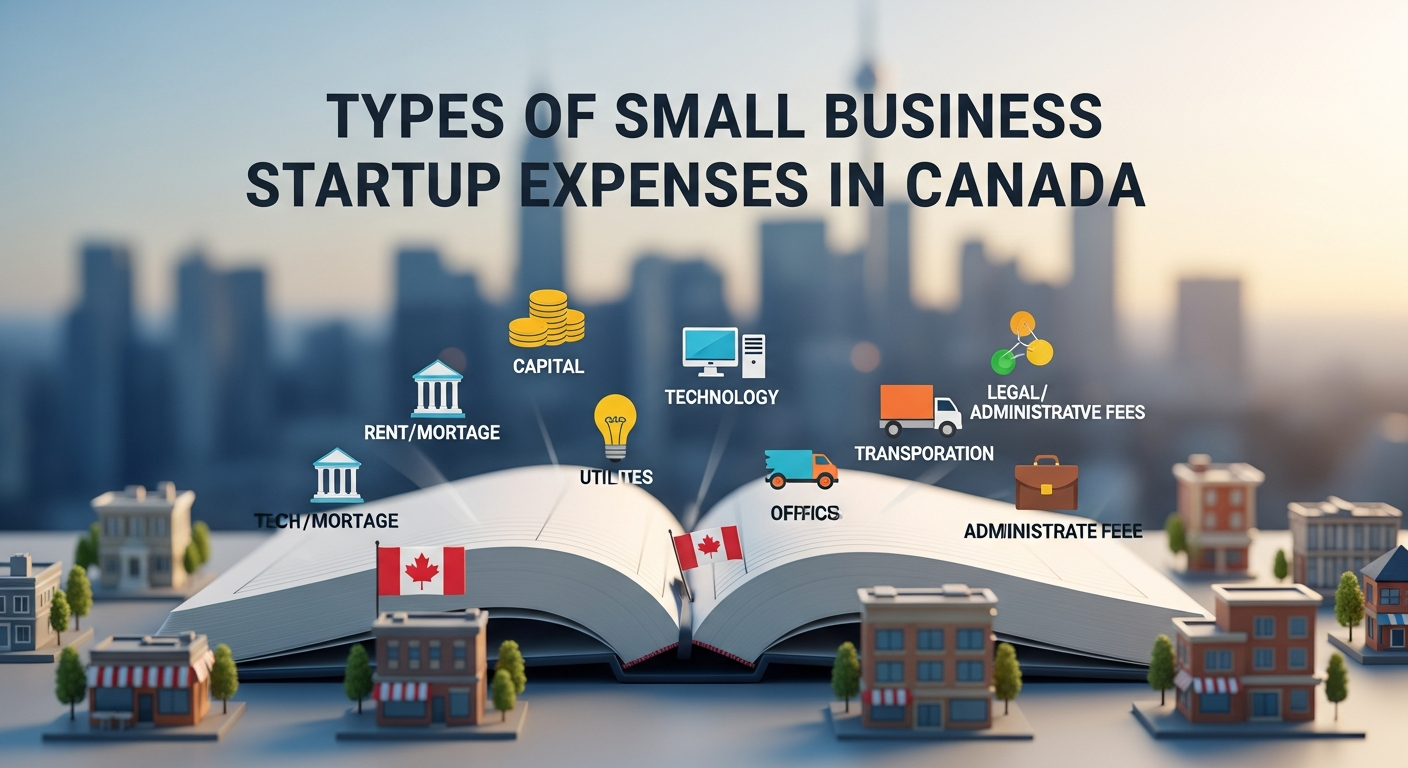

Types of Small Business Startup Expenses in Canada
Are you thinking about starting your own small business in Canada? Congratulations, you are taking a step towards financial independence and entrepreneurship. However, before you get too excited, it is important to understand the types of expenses involved in starting a small business in Canada. From legal fees to marketing costs, there are several expenses that you need to prepare for to ensure the smooth running of your small business.
In this blog post, we will explore the different types of small business startup expenses in Canada that you need to consider before launching your venture.
Topics Covered
- Important Expenses to Consider Before Launching Your Small Business in Canada
- Understanding the Cost of Starting a Small Business in Canada
- Managing Your Small Business Startup Expenses: Tips and Tricks
- Legal Fees and Registrations: A Comprehensive Guide for Small Business Owners in Canada
- From Rent to Supplies: The Essential Cost Breakdown for Small Business Startups in Canada
- Assessing Your Small Business Startup Budget: What to Budget For and What to Avoid
1. Important Expenses to Consider Before Launching Your Small Business in Canada
Before launching a small business in Canada, it is important to consider the expenses that come with it. These expenses can range from one-time costs to recurring expenses that you will have to pay for as long as your business is in operation.
GROW YOUR BUSINESS WITH GRANTS & LOANS

Learn about the funding available for your small business. It just takes a second!

Business Registration Fees: Before starting your business, you will need to register it with the government in the province or territory where you will operate. Registration fees can range from $60 to $400 depending on the province.
Professional Services: Depending on the nature of your business, you may need to hire lawyers, accountants, or other professionals to help you get started. These professionals charge different rates, so it is important to research and shop around for the best deal.
Legal Documents: You will need to create legal documents such as a partnership agreement, articles of incorporation, and others. These documents will help protect your business and its assets.
Office Space and Equipment: You will need to rent an office space, buy or lease equipment, and pay utilities such as electricity, gas, and water. Rent will vary depending on location, size, and facilities.
Marketing and Advertising: You will need to advertise and market your business to attract customers. This includes creating a website, business cards, flyers, brochures, and signage.
Inventory: If you plan on selling products, you will need to purchase inventory. Inventory costs will vary depending on the industry.
2. Understanding the Cost of Starting a Small Business in Canada
Starting a small business in Canada involves several costs that vary depending on the type of business you want to start. Generally, you can expect to incur two types of costs: one-time costs and ongoing or recurring expenses.
One-time costs are expenses related to setting up your business and getting it started. This includes registration fees, legal documents, furniture, equipment, and office space.
Ongoing or recurring expenses are those that you will have to pay regularly as long as your business is operational. These include rent, utilities, salaries, inventory, marketing, taxes, and insurance.
It is important to have a clear understanding of the costs associated with running your business to avoid financial difficulties down the line.
3. Managing Your Small Business Startup Expenses: Tips and Tricks
Starting a small business in Canada requires careful planning and budgeting. Managing your startup expenses is important to ensure your business runs smoothly and remains profitable.
- Create a Budget: A detailed budget can help you keep track of your expenses and manage your cash flow.
- Cut Costs: Look for ways to reduce expenses without compromising quality.
- Monitor Your Cash Flow: Track your revenue and expenses regularly.
- Get Creative with Financing: Explore grants, loans, and crowdfunding options.
- Keep Your Records Organized: Organized financial records help with cost control and tax filing.
4. Legal Fees and Registrations: A Comprehensive Guide for Small Business Owners in Canada
Starting a small business in Canada requires registering your business with the government and setting up legal documents that protect your interests.
Business Name Registration: Required by law in Canada. Costs typically range from $60 to $400.
Business License: Required in most municipalities. Costs vary by location and industry.
Articles of Incorporation: Required if you plan to incorporate your business.
Partnership Agreement: Recommended if starting a partnership.
Trademark Registration: Costs vary by jurisdiction and may require legal guidance.
5. From Rent to Supplies: The Essential Cost Breakdown for Small Business Startups in Canada
Starting and running a small business in Canada can be costly, and it is important to understand the various expenses involved.
Office Space: Rent can range from $300 to $2000 per month depending on location and size.
Equipment and Supplies: Includes computers, printers, tools, furniture, and consumables.
Utilities: Electricity, gas, and other utility costs vary by usage and location.
Marketing and Advertising: Includes website design, print materials, and online advertising.
Legal Fees: Costs for lawyers, accountants, and tax professionals.
Inventory: Costs vary depending on the type of business.
6. Assessing Your Small Business Startup Budget: What to Budget For and What to Avoid
When starting a small business in Canada, it is essential to have a startup budget in place.
Legal and Professional Fees: Budget for lawyers and accountants.
Location and Rent: Ongoing rent expenses should be planned carefully.
Utilities: Include electricity, gas, water, phone, and internet.
Insurance: Liability and property insurance are essential.
Inventory: Budget for initial and ongoing inventory needs.
Office and Technology Equipment: Computers, printers, and software.
Avoid overspending on unnecessary expenses and plan for contingencies to ensure financial stability.
Conclusion
Starting and running a small business in Canada involves several expenses that need to be carefully considered and managed. These include one-time costs such as legal fees and equipment purchases, and ongoing expenses such as rent, utilities, and inventory.
Small business owners should create a detailed budget, look for ways to cut costs, and monitor their cash flow regularly. A thorough understanding of these expenses can help entrepreneurs make informed decisions and succeed in their ventures.
Start Your Business Journey
Ready to take the first step towards starting your own business in Canada? Let Canada Startups guide you through building your business plan, preparing financial statements, and exploring government funding options.
Join a community of successful entrepreneurs and take advantage of expert resources and support. Start your small business journey today.